


Something is cracking in the machinery of power.
In a single month, three men—Putin, Trump, Musk—each revealed the same sickness spreading through authoritarian systems. A dictator paralyzed by his own rigidity. A populist humiliating his allies to prove he still can. A billionaire discovering that in a hierarchy without rules, wealth buys nothing but the privilege of being publicly broken.
These aren’t separate stories. They’re the same story: power devouring itself.
The discourse is stuck between optimism that excuses everything and despair that excuses nothing. Between those who insist institutions are holding and those who declare the fight already lost.
Both are wrong because both misunderstand the question.
Not “are we in crisis?”—obviously.
Not “will democracy survive?”—it depends.
The question is simpler, harder, biblical:
What time is it?
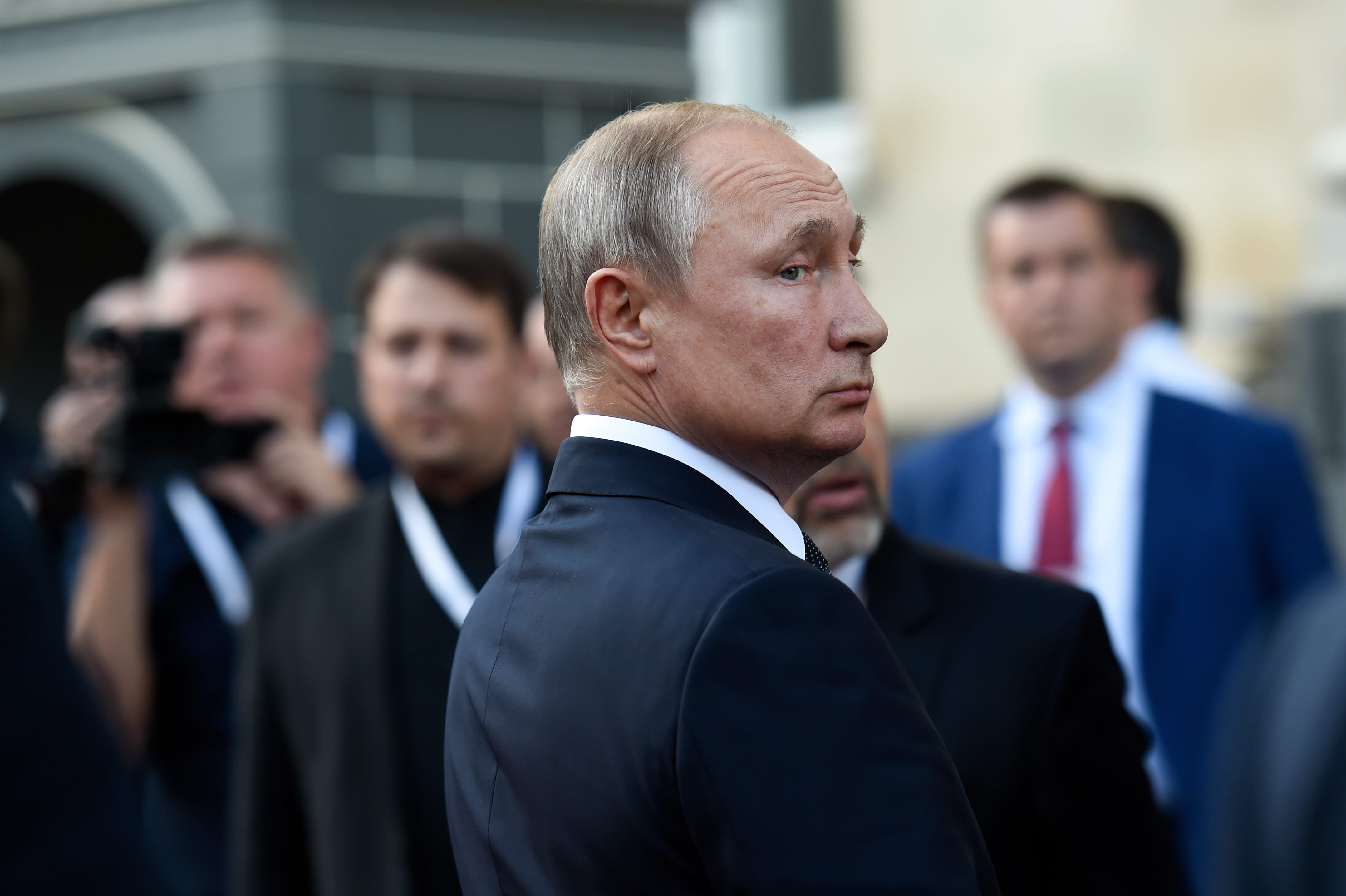
Putin is what happens when fear outlives imagination.
Vlad Vexler—a philosopher who’s spent years analyzing Russian authoritarian psychology—has described something remarkable: Putin is missing a major strategic opportunity because he’s become “conservatively corroded” by overstaying power.
Think about what this means. Putin—the man who poisoned Alexander Litvinenko with polonium-210 in London, who annexed Crimea while the West debated red lines, who built a surveillance state so comprehensive it makes Orwell look unimaginative—this man has become too rigid, too defensive, too psychologically calcified to take a free strategic move that would serve his interests.
The opportunity rotting in front of him: Accept Trump’s advances. Agree to some negotiated settlement in Ukraine. Partly reintegrate with the West. Use that reintegration to accelerate the undermining of Western democracies from within. Exploit the neo-reactionary turn in Silicon Valley, the authoritarian movements spreading through Europe, the epistemic collapse fragmenting democratic societies. Position Russia as part of an emerging authoritarian international rather than isolated pariah feeding on North Korean ammunition and Iranian drones.
He can’t do it.
Three factors create his paralysis. Each one reveals the pathetic trap authoritarian psychology eventually becomes.
First, the defensive rigidity. Putin has spent so many years eliminating anyone who might tell him no that he’s lost the capacity for risk. What would feel to him like “an undersupported move that would depend on speculative contingency” is what the rest of us call strategy.
Paranoia kept him alive.
Control made him king.
Together, they killed his mind.
He’s like a chess master who’s played only against himself for so long that he’s forgotten how the pieces actually move in games against real opponents.
Second, Western democracy confuses him in a way that would be funny if it weren’t so dangerous. Putin celebrates its inevitable collapse while simultaneously being deterred by what he dismisses as a “pluralistic mess.” He thinks: “I can do something with Trump, but it’ll be reset after the next election.”
He celebrates a corpse that keeps standing up.
It unnerves him.
The irony is exquisite: Putin thinking that Western democracy—whose inevitable collapse he’s already celebrating, whose decline he’s spent billions accelerating—is currently too strong for him to trust Trump. The very democratic resilience he wants to destroy prevents him from exploiting its weakness. He’s trapped between his own propaganda and reality. Between what he needs to believe and what he can’t stop seeing.
Third, Trump himself. Putin recognizes that Trump is “spectacularly ill disciplined and not properly thought out in his actions.” If Trump were like Orbán—someone who’d spent years methodically capturing institutions—Putin would trust more. But Trump isn’t building structures. He’s performing dominance. And performances end.
Putin has done this long enough to recognize narcissistic chaos when he sees it. He’s looked at Trump and seen someone whose psychology makes him willing to violate every democratic norm but incapable of building anything that outlasts his personal need for attention.
So here sits Putin—the man who restored Russia to what he imagines is its rightful imperial glory, who crushed Chechnya and swallowed Crimea, who poisons critics in foreign capitals—and he’s paralyzed by his own success. Too conservatively corroded to move freely. Too dependent on control to tolerate risk. Too isolated in his own propaganda to see clearly.
This is what happens when you stay in power too long. You become what you feared: rigid, defensive, unable to adapt. The qualities that gained you authoritarian power systematically destroy your capacity to use that power strategically.
And the pathetic thing—the genuinely tragic dimension if we could spare any sympathy for a man with this much blood on his hands—is that he probably knows it. Somewhere in whatever remains of his strategic mind, Putin understands that he’s trapped. That the defensive rigidity keeping him alive is the same rigidity preventing him from consolidating the victory he’s spent twenty years engineering.
He’s become a prisoner of the system he built to imprison everyone else.
What time is it?
The hour when dictators forget how to move.
Trump is what happens when ego outgrows purpose.
Watch what he did to Musk. NASA opened SpaceX’s moon lander contract to competition, creating an opportunity for Jeff Bezos’s Blue Origin to potentially secure the contract. Not because of technical merit alone—the move came amid Trump-Musk tensions and represented a significant shift that many saw as undermining Musk’s position.
And Musk—for all his billions, for all his companies, for all his self-proclaimed genius—could do exactly nothing except tweet impotently about it. The richest man on the planet reduced to rage-posting like a spurned teenager who just discovered his girlfriend is texting his rival.
Orbán built structures. Trump performs dominance. One consolidates; the other destabilizes.
Orbán spent years methodically capturing Hungarian institutions. Courts, media, universities, electoral systems. He built durable authoritarian architecture that survives beyond his personal charisma. He made it systematically difficult for opposition to function. He created machinery of power that operates whether he’s personally attending to it or not.
Trump humiliates Elon Musk over a contract.
One is authoritarian consolidation. The other is narcissistic performance. Putin recognizes the difference. The neo-reactionaries are learning it. The American public is living through the consequences of mistaking one for the other.
The system they’re trying to build—the Thiel/Yarvin/Vance intellectual architecture for replacing democracy with explicit hierarchy—requires something Trump’s psychology makes impossible: stable subordination of powerful actors who accept their position rather than raging when arbitrarily humiliated.
They need reliable partners, predictable hierarchy, actors who understand their role. What they have is Trump humiliating billionaires to demonstrate power, Putin who won’t trust deals made in democratic systems, and oligarchs discovering in real-time that the hierarchy they funded doesn’t stop at them.
Trump can violate every norm. He can’t build anything that outlasts the performance.
And when millions of Americans took to the streets in “No Kings” protests—7 million at 2,700+ events across all 50 states—Trump’s response proved their point more effectively than any protest sign could.
He and Vance posted AI memes depicting Trump as king. Trump’s showed him flying a fighter jet dumping sewage on protesters. Vance’s showed prominent Democrats kneeling as supplicants in a royal court. When asked about the protests, the White House spokesperson responded: “Who cares?”
Trump called the demonstrations “very small, very ineffective.” The protesters were “whacked out,” he said. “When you look at those people, those are not representative of the people of our country.”
Seven million Americans. Not representative.
This is what performing dominance looks like when you’ve lost the capacity to build. When you can’t consolidate power like Orbán, you mock those who notice. When you can’t trust your own coalition, you perform contempt for everyone else. When the pluralism you can’t navigate produces massive mobilization, you post AI sewage memes and declare victory.
What time is it?
The minute when narcissistic performance mistakes mockery for power.
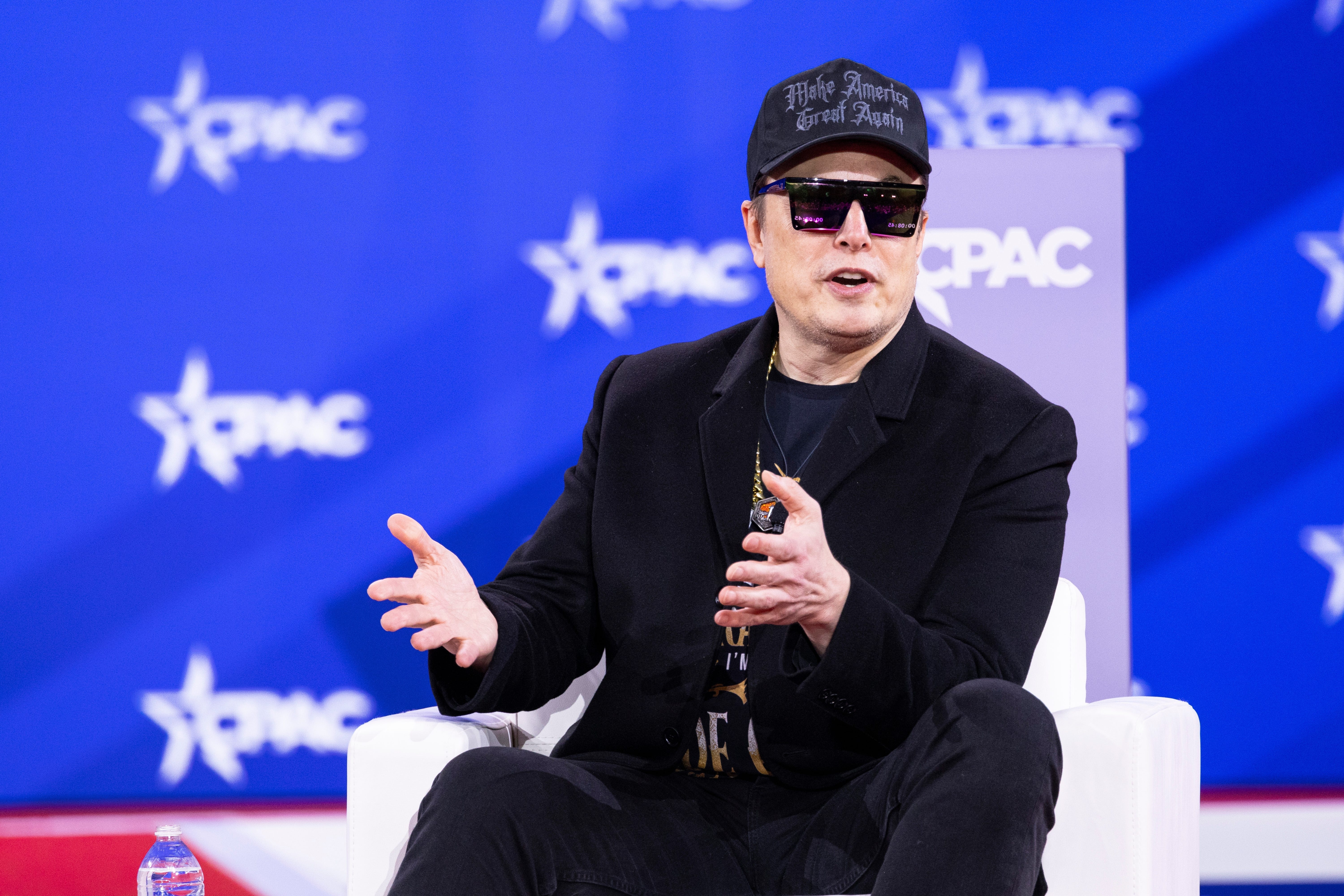
Musk is what happens when intellect forgets humility.
The meltdown reveals everything. Musk genuinely believed his wealth made him Trump’s equal. That his billions and his control of critical infrastructure—Twitter, SpaceX, Starlink—secured him a permanent seat at the table. He thought he was Roy Cohn but permanent. He thought “First Buddy” meant something more than being useful until you’re not.
He’s learning what Roy Cohn learned too late: You’re only ever one arbitrary humiliation away from discovering your place in the hierarchy. And when that moment comes, it’s public, degrading, and designed to demonstrate to everyone else what happens when you forget that someone has to be subordinate.
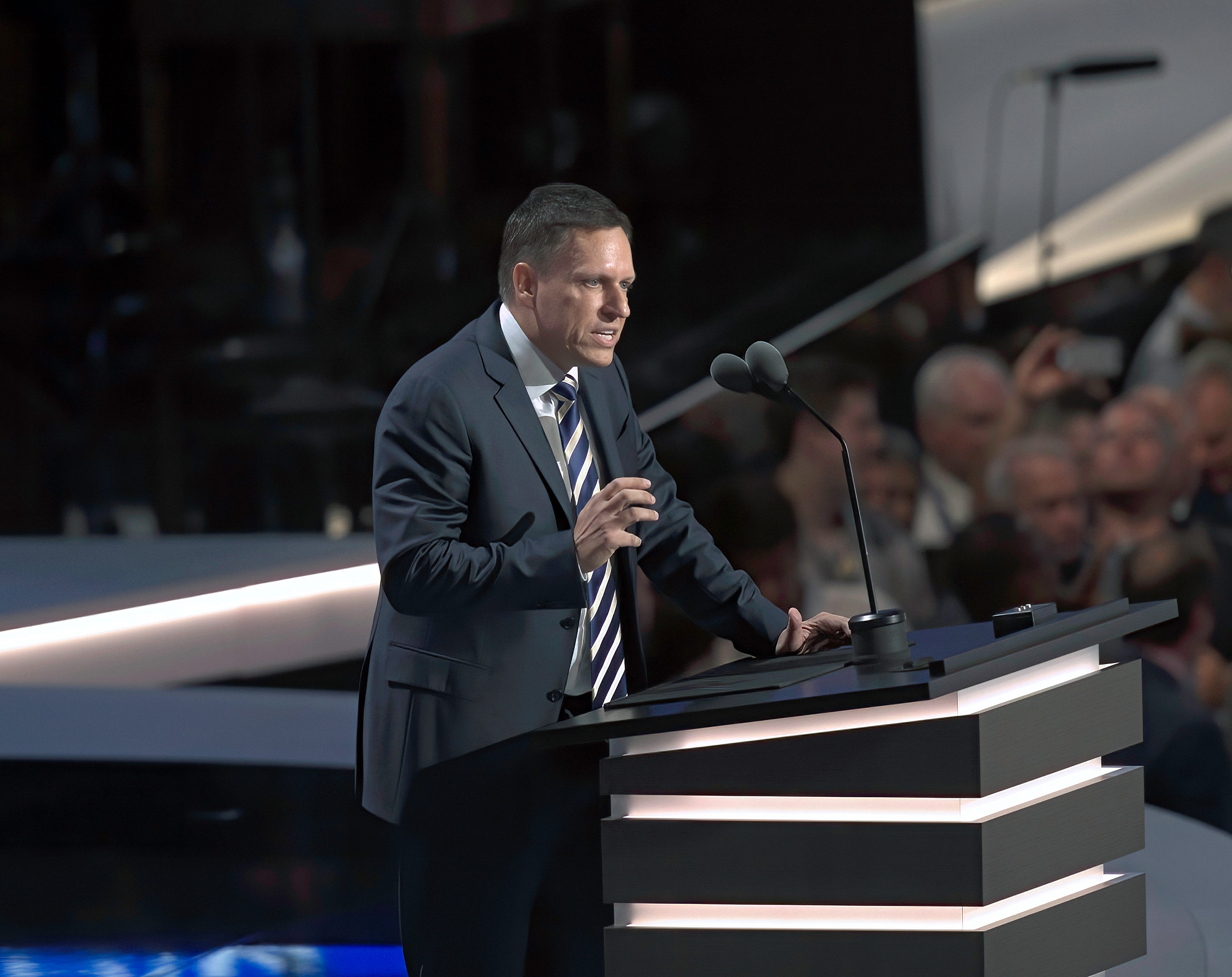
This is the system Musk helped build. The hierarchy he funded. The neo-reactionary project he bankrolled while reading Curtis Yarvin and retweeting Peter Thiel’s screeds about democracy and freedom being incompatible. And now he’s discovering what Thiel and Yarvin never quite made explicit to their fellow travelers: In the hierarchies you’re restoring, someone has to be subordinate.
And it might be you.
The neo-reactionaries sold oligarchs on a vision where they’d be the new aristocracy. What they didn’t mention: aristocracies have hierarchies too. Someone has to bow. Someone has to take orders. Someone has to smile through humiliation because the alternative is worse.
Musk thought his money made him exempt.
He’s learning otherwise.
And every other oligarch is watching. Bezos saw it. Zuckerberg saw it. Every billionaire who thought they could buy partnership with autocracy rather than subordination to it just got a preview of their future.
The system doesn’t stop at you. The hierarchy doesn’t exempt you. The machine you built to crush others will eventually crush you too—unless you’re willing to perpetually perform deference to whoever sits higher than you do.
This is the trap of hierarchy without democracy. In democracy, the billionaire might lose an election, might face regulation, might get taxed. But there’s a floor. Rules. Predictability. You know what game you’re playing.
In pure hierarchy? You’re always one tweet away from discovering you were never as secure as you thought. One presidential whim away from your empire becoming someone else’s favor to distribute.
Musk is learning what every person who’s ever helped build autocracy eventually learns: The system you create to dominate others is the same system that will eventually dominate you.
What time is it?
The second when power realizes it’s prey.
Three moments. Three psychological reveals. Three ways authoritarianism devours itself.
Putin paralyzed by the rigidity that kept him alive.
Trump humiliating allies in performances that prevent institutional consolidation.
Musk discovering his billions buy subordination, not partnership.
Each reveal exposes something the authoritarian international doesn’t want acknowledged: their coalition is fragile. Built on narcissism, maintained through dominance, held together by shared opposition rather than functional cooperation.
They can’t trust each other because trust requires stability, and narcissistic hierarchy produces only chaos. Putin won’t trust Trump’s deals. Trump won’t honor hierarchies he didn’t personally construct. Musk can’t rely on the system he helped fund.
This is their vulnerability. Not that they’re weak—they’re not. Not that resistance doesn’t cost—it does. But that the authoritarian international can’t coordinate the way democracies can because the psychological pathologies that make them authoritarian prevent them from building reliable partnerships.
Compare this to the democratic coalition. Messy, frustrating, slow, contradictory—yes. But capable of coordinating across borders, building institutions that outlast leaders, creating predictable frameworks where even competitors can cooperate.
The authoritarians have strength. Democracies have resilience.
The authoritarians have will. Democracies have distributed agency.
The authoritarians have clarity of command. Democracies have pluralism that throws grit in every gear.
And in the contest between brittle strength and messy resilience, between concentrated will and distributed agency, between clarity of command and pluralistic friction—the outcome isn’t predetermined.

Understanding what time it is means rejecting both technocratic optimism and fatalistic despair.
The optimists point to GDP growth, stock markets, institutional continuity. They cite polls showing majority support for democratic norms. They note that courts still check power, that protests still happen, that elections still occur.
All true. All insufficient.
Because they’re describing 1929, not 1930. The year when everything looked mostly normal except for concerning trends the serious people insisted were manageable. When economic indicators remained strong. When institutional frameworks still functioned. When most people going about their daily lives encountered little direct evidence of the crisis building beneath apparent stability.
The pessimists see 1933. Consolidation complete, resistance futile, democratic backsliding irreversible. They catalog every authoritarian move as evidence of inevitable victory. They treat every oligarch’s submission as proof the game is over. They declare the fight lost before seeing how it plays out.
They’re describing 1937, not 1930. When Hitler had already consolidated power, when the emergency powers had become permanent, when opposition had been systematically crushed and democratic structures dismantled beyond repair.
Both are wrong because both refuse to sit with the specific anxieties of 1930.
Not late enough to declare the fight over. Not early enough to trust that existing institutions will automatically prevail without massive mobilization in their defense.
The moment when recognizing what time it is becomes essential to determining what time it becomes.
And 2025 isn’t 1930 in crucial ways that change strategic calculus:
We have no Weimar-level economic collapse making people desperate for any alternative. We have epistemic fragmentation rather than consolidated propaganda—1930s authoritarians could control information centrally; our crisis is opposite, creating different vulnerabilities and different resiliences. We have technological acceleration they couldn’t imagine—AI, algorithmic curation, crypto, surveillance capitalism—tools enabling new forms of control but also new unpredictabilities.
History rhymes but doesn’t repeat. The specific mechanisms differ. Which means specific responses must differ too.
Understanding what time it is changes everything about strategy.
Stop saying “institutions are holding” as if that’s reason for complacency. Institutions are fighting—weakened, under assault, requiring massive mobilization to check power. But fighting.
Stop saying “it’s over” as if authoritarian consolidation is inevitable. Putin can’t trust Trump. Trump can’t consolidate like Orbán. Musk just learned he’s subordinate. Resistance is growing not shrinking.
Stop saying “resistance is futile.” It’s imposing real costs. Growing in scale. Producing mobilization. Creating the pluralism that prevents authoritarian coordination.
Stop saying “normal politics will contain this.” This is a regime-change attempt. Stephen Miller calling judicial review “insurrection.” Trump authorizing covert CIA operations in Venezuela and threatening Colombia with military action. Federal agents conducting warrantless mass detentions. DOGE transferring democratic accountability to algorithmic systems.
Normal politics doesn’t contain attempts to eliminate the framework making politics possible.
Drive wedges in international authoritarian coordination. Make clear that deals made under Trump won’t survive democratic restoration. Document collaboration for future accountability.
Make oligarchs choose between wealth and dignity. Musk’s rage-tweeting shows the humiliation is real and subordination intolerable to narcissistic personalities. Every oligarch will face the same choice eventually.
Document and publicize each oligarch’s humiliation. Autocrats rule by making examples. So can democrats. The more visible the subordination, the less reliable the authoritarian coalition becomes.
Show them systematically they’re subjects not partners. Document the hierarchy they’re building. Make clear their position in it. Force them to acknowledge the system they funded doesn’t stop at them.
Keep producing democratic mess they can’t navigate. Courts, campuses, culture. Protests, boycotts, resistance. Everything that makes authoritarian consolidation uncertain and fragile.
Build on democratic resilience. Seven million people at 2,700+ events shows mobilization potential exists. Economic boycotts imposing $800 billion in Tesla market capitalization losses shows the power of consumer choice even in age of oligarchy. Cultural resistance shows most people haven’t become sociopaths. Courts still checking power shows institutions damaged but fighting—and mobilization can create costs that force compliance.
I’ve gone back and forth in my mind about how to write this. Because getting it wrong matters.
Say it’s 1923 when it’s actually 1930, and people don’t mobilize when they still can. Say it’s 1933 when it’s actually 1930, and despair becomes self-fulfilling prophecy.
So let me be precise.
We face different forms of dysfunction in contest. Authoritarian dysfunction—rigidity, narcissism, trust problems, strategic paralysis—creates openings. Democratic dysfunction—epistemic fragmentation, institutional capture, technocratic evacuation—creates vulnerabilities.
What happens next depends on which dysfunctions prove more fatal: authoritarian inability to consolidate or democratic failure to recognize what time it is and respond accordingly.
The authoritarians aren’t hiding the project. Yarvin publishes blueprints. Thiel writes that democracy fails. Vance talks about going extra-constitutional. Musk transfers government functions to private control.
They’re executing while democrats debate whether to take them seriously.
The question isn’t whether they’re serious.
The question is whether their psychological dysfunctions prevent them from completing what they’ve started.
Putin sees the opportunity but can’t take the risk. Trump violates norms but can’t build institutions. Musk has wealth but not partnership. The oligarchs fund feudalism not realizing they’ll be serfs. The neo-reactionaries have brilliant critique of democratic dysfunction but can’t adapt when their own rigidity produces strategic paralysis.
Meanwhile democratic forces mobilize. Seven million at 2,700+ events. $800 billion in economic costs imposed. Cultural resistance spreading. Institutional competition continuing. Common knowledge holding around obvious truths.
It’s 1930.
Not too late for hope. Not early enough for complacence.
The exact moment when recognizing what time it is becomes form of resistance against both optimism that enables catastrophe and despair that guarantees it.
Love is not softness here.
It is defiance—the stubborn insistence that truth still matters, that decency is strength, that self-governance is sacred precisely because it’s fragile.
Authoritarians mistake love for weakness. They forget: it’s what makes people stand back up after being beaten. It’s what keeps a citizen human when the system begs him to become a subject.
The authoritarian project is real and advanced. The democratic defense is messy and alive. What happens next isn’t written. It depends on whether enough people recognize the hour and move.
The wire still holds because pluralism still throws grit in the gears—courts, campuses, culture, the street. The center can be held. The ground hasn’t been reached.
But only if enough people recognize what time it is and act accordingly.
Two plus two equals four. There are twenty-four hours in a day. Puerto Ricans are American citizens. Stephen Miller calling judicial review “insurrection” is authoritarian rejection of constitutional governance. Federal agents conducting warrantless mass detentions violates the Fourth Amendment.
These truths hold not because power declares them but because they cohere with reality in ways authoritarian narcissism can’t manipulate away.
This is what time it is:
The moment when the center holds because we choose to hold it. When the wire still bears weight because we keep walking it. When the ground approaches but hasn’t been reached.
The circus isn’t ending—it’s reaching the performance that determines whether there will be performances after this one. Whether consciousness choosing to remain conscious is powerful enough. Not because victory is guaranteed. But because the alternative is unthinkable.
That’s what time it is—the hour when love must become an act of political will.
May love carry us home. Not as sentiment, but as the commitment to remain conscious when forces conspire to fragment consciousness. To maintain meaning when systems would dissolve it. To hold the wire when everything suggests letting go.
This is what philosophy is for: not to escape the world, but to stay human inside it—even now, even here, even when optimists insist everything is fine and doomers insists everything is lost.
The wire still holds.
The flood still rises.
And somewhere in the noise, democracy still breathes.
That’s what time it is.
Go Deeper into the Circus
The Elite Precariat: The Betrayed Class That Will Decide America’s Next Revolution

Something is breaking in America. But it’s not where everyone’s looking.
The Coming Clash of Civilizations

The clash of civilizations is not between cultures but between hierarchies and citizens.
"Love . .. is what makes people stand back up after being beaten. It’s what keeps a citizen human when the system begs him to become a subject."
Mike, this image, a deep insight, took my breath away. It is true. Love is the force that enabled the British in 1940 to take blows from authoritarians demanding fealty, without being extinguished by the brutality.
I began reading this essay in 1933. I finished it in 1930. Thank you.
I have written 4 responses each one inadequate. So suffice to say you are and I know will continue to be one of the important voices of this time. You have assigned yourself a task and accomplish it admirably, dissecting the players and situations, warning and inspiring, pointing out pathways, and encouraging movement forward. Keep going you make a huge contribution — accept that fact and keep writing because you are needed. Leaders use a pen and a voice and their will to work long into the night to find the truth, and fight the good fight. You are doing that Mike and I am so glad you are here.